



La era de la emergencia permanente
La vida pública moderna se parece cada vez más a una sala de control sin interruptor de apagado. Los mercados reaccionan antes de que los ciudadanos comprendan. Las plataformas premian la compresión emocional. Los debates políticos quedan obsoletos antes de resolverse. Las tecnologías se despliegan antes de que las sociedades hayan nombrado los valores que pueden alterar.
El resultado no es simplemente distracción. Es pobreza temporal civilizatoria: una condición en la que las sociedades conservan un enorme poder computacional pero pierden la paciencia compartida necesaria para el juicio. Los problemas más profundos de la era — adaptación climática, confianza institucional, gobernanza de la IA, educación, preservación cultural, presión demográfica, salud pública, cohesión social — no se desarrollan a la velocidad de los titulares. Se desarrollan mediante efectos acumulativos.
Una sociedad entrenada solo para reaccionar acabará gobernando mal todo lo que requiere custodia.
La diferencia entre velocidad y dirección
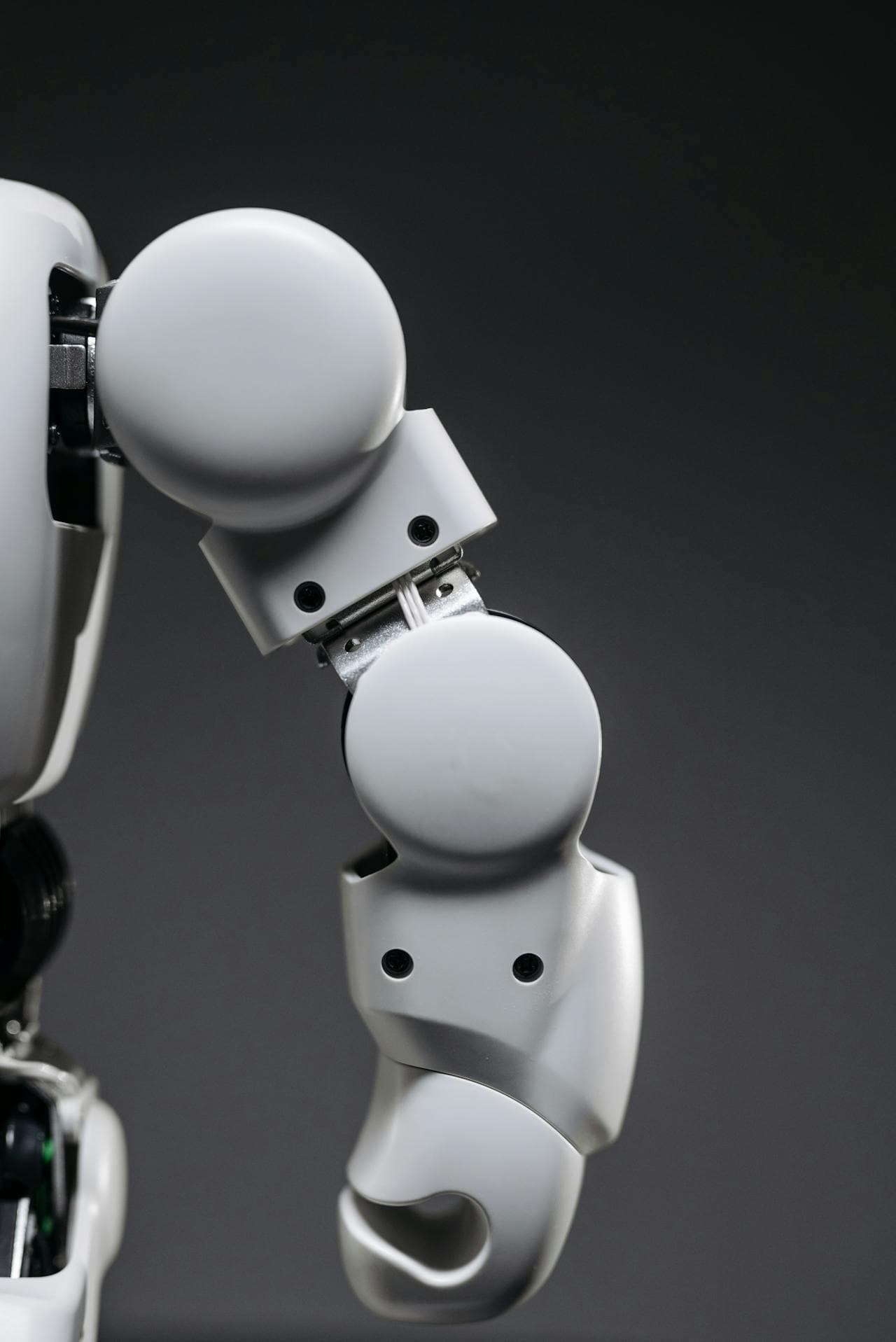
La aceleración a menudo se confunde con progreso porque produce movimiento visible. Pero el movimiento no es lo mismo que la dirección. Una civilización puede moverse rápidamente hacia la fragilidad. Puede automatizar la confusión, escalar la soledad, optimizar la desinformación y llamar al resultado innovación.
La pregunta seria ya no es si la humanidad puede construir sistemas poderosos. Puede. La pregunta es si la humanidad puede construir instituciones capaces de gobernar el poder sin ser capturadas por él.
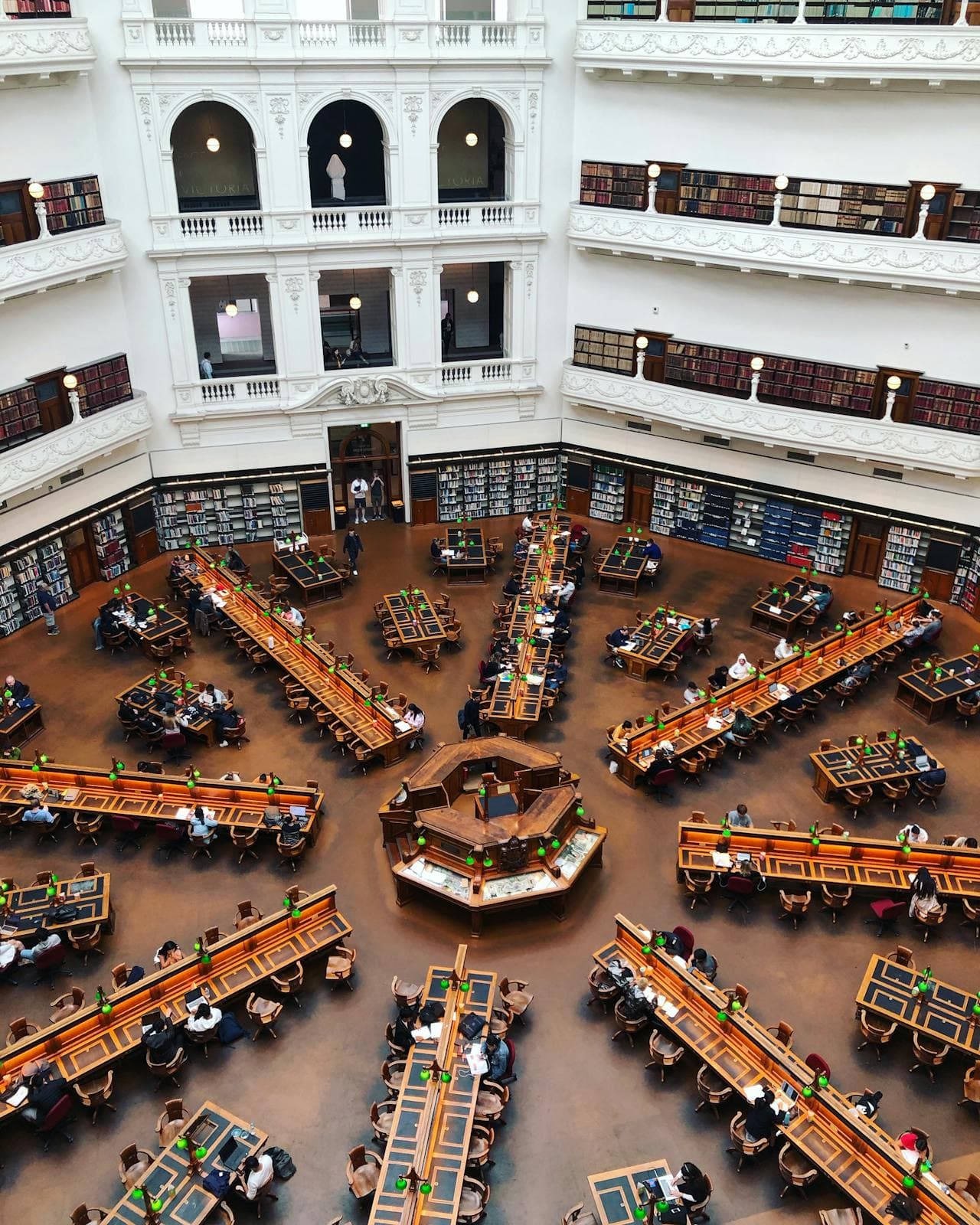
Aquí es donde importan las fundaciones, los museos, las universidades, las redacciones, las bibliotecas, los institutos de investigación y las organizaciones cívicas. Su propósito no es competir con la velocidad del feed. Su propósito es preservar formas más lentas de inteligencia: memoria, comparación, contexto, gusto, ética y responsabilidad.
La cultura como tecnología estabilizadora
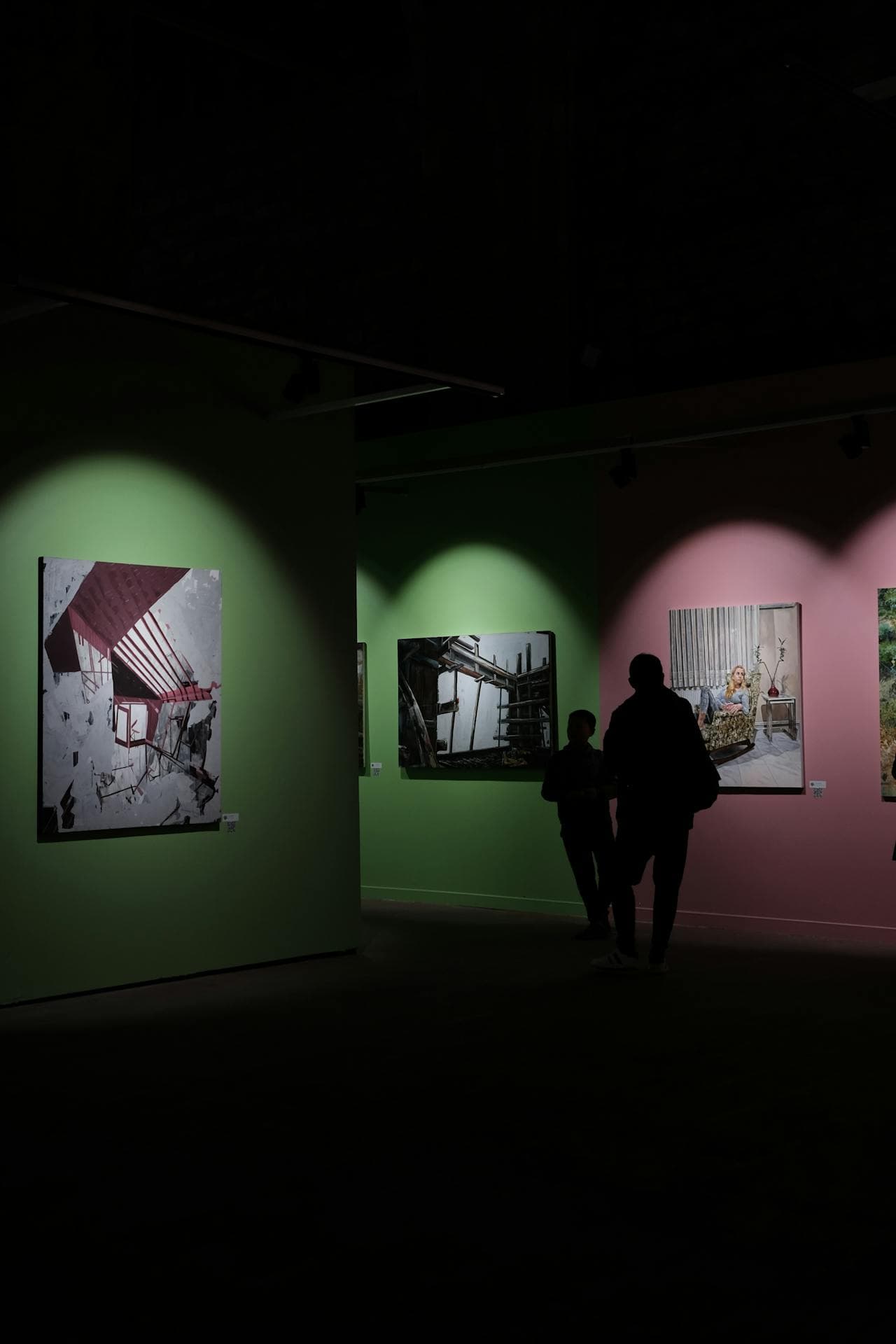
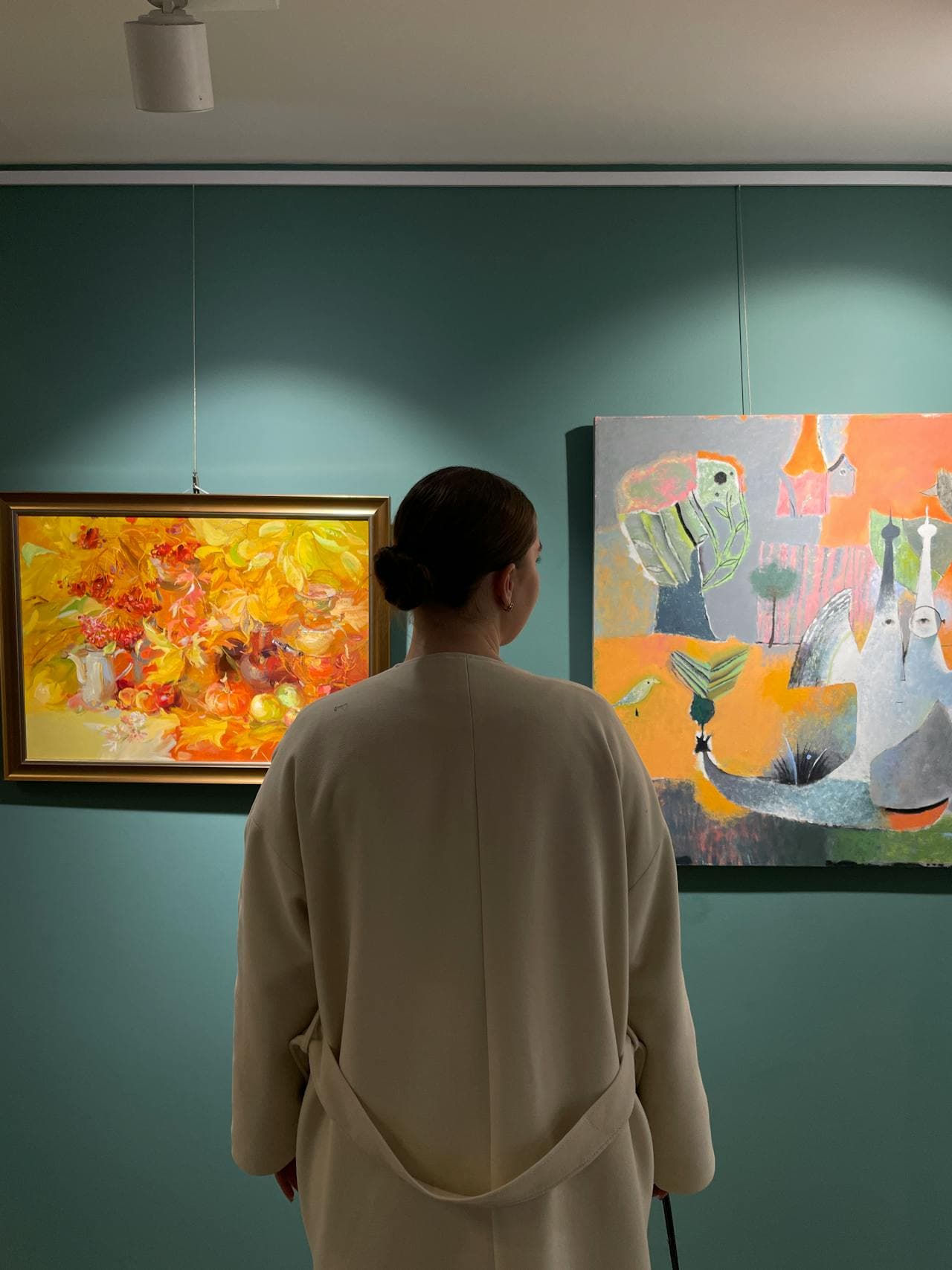
La cultura a menudo se trata como decoración después de que la economía y la política han hecho el trabajo serio. Es un error. La cultura es una de las tecnologías mediante las cuales las sociedades deciden qué merece atención, qué merece admiración, qué merece protección y qué nunca debe normalizarse.
El arte enseña la percepción antes que el argumento. Entrena la capacidad de permanecer con la ambigüedad sin convertirla inmediatamente en hostilidad. Recuerda a las personas que la vida humana contiene tragedia, belleza, contradicción, anhelo, crueldad, perdón y trascendencia. Una sociedad sin profundidad cultural se vuelve más fácil de manipular porque tiene menos defensas internas contra la simplificación.
La preservación del arte no es, por tanto, nostalgia. Es la preservación de la complejidad.
Por qué vuelven a importar las instituciones de largo plazo
El próximo siglo no será moldeado solo por empresas que se mueven rápido. También lo será por instituciones que pueden pensar despacio en público.
Una institución de largo plazo no es pasiva. Actúa, pero actúa con memoria. Financia, pero no confunde financiación con propiedad. Investiga, pero no finge certeza donde persiste la incertidumbre. Construye, pero pregunta qué hará un sistema a la dignidad humana cuando llegue la escala.
Fondation Khatib pour l'Art et la Société existe para este reloj largo: conectar arte, conocimiento y soluciones centradas en el ser humano en un periodo en el que la civilización necesita no solo inteligencia, sino orientación.